

💊 How to Use
- Take as directed on the product label or as advised by a healthcare professional.
- Consume with water
- Do not exceed the recommended daily intake.
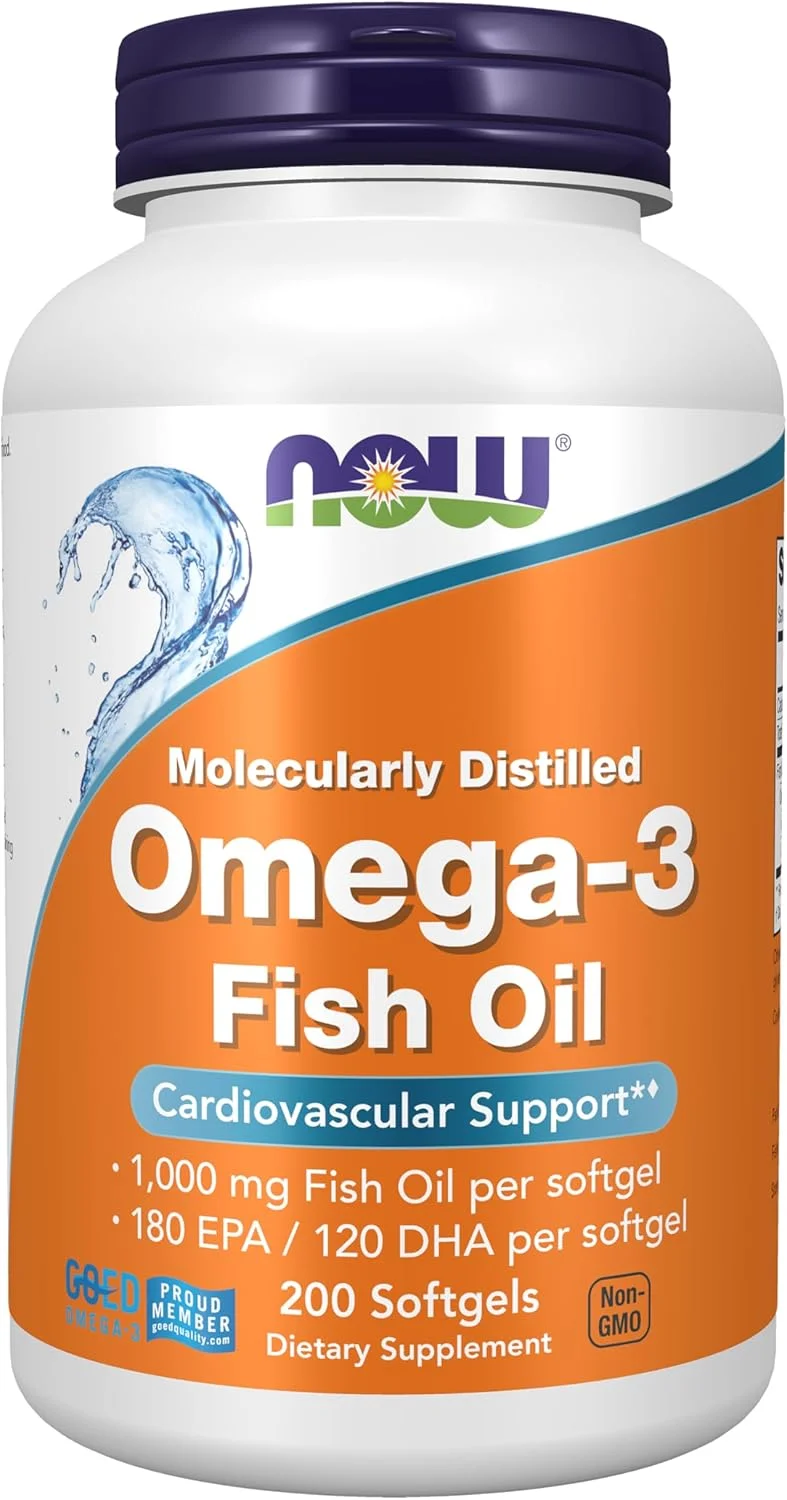
Overall wellness, including cardiovascular, brain, and eye health. The most researched omega-3s are EPA (eicosapentaenoic acid) and DHA (docosahexaenoic acid), which are naturally found in oily fish and seafood.
Another omega-3, ALA (alpha-linolenic acid), is found mainly in plant foods such as flaxseed, chia seeds, and walnuts.
For people looking to support a heart-healthy lifestyle, omega-3-rich foods can be an excellent addition to a balanced diet. Particularly fatty fish, eaten each week.
Needs for normal functions. EPA and DHA are particularly important because the body gets them directly from seafood, while it converts ALA into EPA and DHA only in limited amounts.
Albacore tuna is a naturally rich source of EPA and DHA.
Omega-3 supplements are also available in different forms, including fish oil, krill oil, and algae-based products.
Omega-3 for Cardiovascular Support
Cardiovascular support is one of the most common reasons people include omega-3 in their nutrition routine.
Researchers have studied the relationship between cardiovascular health and omega-3 fatty acids in relation to triglycerides, blood vessels, heart rhythm, and other cardiovascular factors.
However, consider omega-3 as part of an overall healthy lifestyle, not a replacement for prescribed cardiovascular treatment.
A heart-friendly routine can include:
- Omega-3-rich foods
- Regular physical activity
- Plenty of vegetables and fruit
- Whole grains
- Healthy sources of protein
- Appropriate weight management
- Adequate sleep
- Avoiding tobacco
- Regular health checkups
EPA and DHA for Heart Health
EPA and DHA are the two long-chain omega-3 fatty acids most commonly associated with cardiovascular research.
EPA supports numerous biological processes, while DHA is an important structural component of cell membranes.
Together, they contribute to normal body functions and have been extensively studied for cardiovascular health.
Research and expert guidance particularly recognize the role of omega-3 intake in managing triglyceride levels.
Prescription-strength omega-3 medicines are used medically for certain people with high triglycerides, but these should not be confused with ordinary dietary supplements.
Omega-3 and Triglycerides
Triglycerides are a type of fat found in the bloodstream. Elevated triglyceride levels can be an important cardiovascular risk factor.
Higher-dose prescription omega-3 therapies can significantly lower triglyceride levels in appropriate patients.
The American Heart Association distinguishes these prescription treatments from non-prescription fish-oil supplements.
If you have high triglycerides, do not attempt to treat them yourself with a supplement. based on your overall cardiovascular risk and laboratory results.
Omega-3 Fish Oil Supplements
Omega-3 fish oil supplements provide EPA and DHA in concentrated form. They can help people who do not regularly eat oily fish, but supplements should complement—not replace—a balanced diet.
When selecting an omega-3 supplement, look beyond the total amount of “fish oil” and check the actual quantities of EPA and DHA per serving. Different products can contain substantially different amounts of these fatty acids.
It is also useful to check the manufacturer’s quality standards, ingredient information, serving instructions, and expiration date.
Omega-3 for a Heart-Healthy Diet
Food should generally be the foundation of a healthy nutrition plan.
Good dietary sources include:
- Salmon
- Sardines
- Mackerel
- Herring
- Anchovies
- Trout
- Albacore tuna
- Oysters
- Mussels
You can prepare these foods in healthy ways, such as grilling, baking, steaming, or roasting.
Omega-3 and Healthy Blood Lipids
Relation to blood lipids. At appropriate therapeutic doses, one of their better-established effects is lowering triglycerides.
However, omega-3 supplements are not a universal cholesterol treatment. If your primary concern is elevated LLD cholesterol, speak with a healthcare professional about evidence-based treatments rather than relying on an over-the-counter omega-3 product.
A balanced diet emphasizing vegetables, fruits, whole grains, legumes, fish, and unsaturated fats can support a healthier overall dietary pattern.
Omega-3 for Normal Heart Function
Omega-3 fatty acids are also studied for their relationship with normal heart rhythm and cardiovascular function.
The American Heart Association notes that omega-3-rich seafood can provide several potential cardiovascular benefits.
This is one reason fatty fish are frequently included in heart-healthy dietary patterns.
However, do not interpret these nutritional benefits as a guarantee that an omega-3 supplement will prevent heart disease.
Omega-3 and Blood Pressure
Researchers have also studied omega-3 intake in connection with blood pressure and vascular health.
The American Heart Association notes that research has linked omega-3 fatty acids to lower blood pressure and triglyceride levels.
Maintaining healthy blood pressure requires a broader approach that can include a balanced diet, regular exercise, maintaining a healthy weight, limiting excessive sodium, managing stress, and following medical advice when medication is required.
Choosing a Quality Omega-3 Supplement
If you decide to purchase an omega-3 supplement, consider the following:
Check EPA and DHA
The total fish-oil quantity doesn’t necessarily tell you how much EPA and DHA the product provides. Check the Supplement Facts or nutrition label for the specific amounts.
Check the Source
Omega-3 products can come from fish, krill, algae, or other sources. Algae-based omega-3 can provide a vegetarian source of DHA and, depending on the product, EPA.
Check Quality Information
Look for clear information about ingredients, serving size, manufacturer, expiration date, and quality testing.
Follow the Recommended Serving
More is not automatically better. Use the product as directed on the label unless your healthcare professional recommends otherwise.
Omega-3 for Men and Women
Omega-3 supplements can be part of a balanced nutritional routine for both men and women.
The appropriate source and amount depend on dietary intake, nutritional needs, health status, and individual circumstances.
People who regularly eat oily fish may not need an additional supplement, while those who rarely consume seafood may consider discussing omega-3 supplementation with a healthcare professional.
How to Take Omega-3
People commonly take omega-3 supplements with meals. Taking them alongside food can also make them easier to tolerate for some people.
The concentration and recommended serving can vary considerably between brands.
If you take medications, especially medicines that affect blood clotting, speak with your healthcare professional before starting an omega-3 supplement.
Omega-3 and Overall Wellness
Although cardiovascular support is a major reason for interest in omega-3, EPA and DHA are also associated with other aspects of normal health, including brain and eye function.
Omega-3s are important nutrients for heart and brain health.
This makes omega-3 a valuable part of a balanced nutritional approach, not simply a single-purpose supplement.
Important Safety Considerations
Omega-3 supplements are not appropriate for everyone at the same dose.
High-dose products can have different effects from ordinary nutritional supplementation, and prescription omega-3 medications are used under medical supervision for specific conditions.
Some research has also raised concerns about an increased risk of atrial fibrillation with certain higher-dose omega-3 supplementation in some populations.
Therefore, people with cardiovascular conditions or those taking medications should discuss supplementation with a healthcare professional.
Do not stop prescribed cardiovascular medication in favor of an omega-3 supplement.
Buy Omega-3 Supplements Online
When purchasing Omega-3 supplements online, choose a reputable retailer and check the product label carefully.
Look for the amount of EPA and DHA, serving size, source, expiration date, and storage instructions.
For consumers seeking omega-3 for cardiovascular support, a clearly labeled product makes it easier to compare formulations.
Final Thoughts
Omega-3 for cardiovascular support can be an important part of a healthy nutritional lifestyle.
EPA and DHA are the principal marine omega-3 fatty acids, and fatty fish such as salmon, sardines, mackerel, and herring are excellent dietary sources. Per week, particularly fatty fish.
Omega-3 has been extensively studied for its relationship with triglycerides, cardiovascular function, and overall health.
However, supplements should not be viewed as a cure or guaranteed way to prevent heart disease.
For the best approach, combine omega-3-rich foods with medical care. If you are considering a high-dose omega-3 supplement or have high triglycerides or cardiovascular disease, consult a healthcare professional first.
SEO Keywords
Omega-3, Omega-3 cardiovascular support, omega 3 for heart health, omega 3 supplement, omega 3 fish oil, omega 3 capsules, omega 3 EPA dhaka, EPA dhaka supplement, EPA and dhaka for heart health, omega 3 heart support,
omega 3 cardiovascular health, fish oil for heart health, fish oil cardiovascular support, omega 3 for healthy heart, omega 3 for triglycerides, omega 3 fatty acids, omega 3 benefits,


Reviews
There are no reviews yet.